I've spent over 20 years advising pre-vet students, watching them apply, get rejected, reapply, and eventually get in. In that time I've seen hundreds of personal statements. I can tell you with complete confidence that most of them say the same thing.
"I've always loved animals." "I knew I wanted to be a vet when I was five years old." "My dog changed my life." "I want to help animals and the people who love them."
These aren't bad people. They're not bad writers. They just haven't been told what admissions committees are actually looking for — and what those committees are exhausted by reading.
This guide changes that. Here's what I tell every student I work with.
"The personal statement is the one part of your application you have complete control over. It's also the part most students completely waste."
What the personal statement is actually for
Your GPA, your test scores, your hours — those tell the admissions committee whether you're qualified. The personal statement tells them whether they want you in their program.
It's not a summary of your resume. It's not a list of everything you've done. It's your answer to one question: Why are you the right person for this profession, and what are you going to do with it?
Admissions committees are reading hundreds of these. They're looking for something that stops them. A voice. A perspective. A reason to remember you when they're sitting in the room making decisions.
The 5 mistakes that sink most personal statements
Opening with "I've always loved animals." This is the single most common opening line in vet school personal statements. It's also the fastest way to signal that you haven't thought deeply about this. Everyone applying loves animals. That's not your differentiator.
Summarizing your resume. The committee already has your activity list. Don't spend your 3,000 characters telling them what they can read elsewhere. Use this space to go deeper on one or two experiences — what you actually learned, how it shaped your thinking, why it matters.
Being vague about your future. "I want to help animals" is not a vision. "I want to work in food animal medicine in rural communities that are underserved by large animal practitioners" is. The more specific you are about what you want to do with this degree, the more credible and committed you appear.
Writing what you think they want to hear. Admissions committees have excellent radar for this. If you're writing "I'm passionate about One Health and the human-animal bond" because you read it on the school's website, they'll know. Write what you actually believe.
Submitting your first draft. I tell every student the same thing: plan on writing at least four drafts. The first draft gets the ideas out. The second draft cuts everything that doesn't need to be there. The third draft sharpens the voice. The fourth draft is what you submit. Most students submit their second draft and wonder why it didn't land.
What a strong personal statement actually looks like
Strong statements do a few things that weak ones don't.
They start with a scene, not a thesis. Put the reader somewhere. A moment in a clinic. A decision you had to make. A conversation that changed how you understood this work. Ground the statement in something real before you start making claims about yourself.
They show, they don't tell. Don't tell me you're resilient. Tell me about the semester you retook Organic Chemistry while working 20 hours a week and what that experience taught you about how you handle adversity. Let the committee draw the conclusion.
They are specific about the profession. Not just "I want to be a vet" — but what kind, why, and what gap you're trying to fill. Have you noticed something during your clinical hours that you want to address? Is there a specialty that pulls you and why? The more specific, the more believable.
They acknowledge difficulty honestly. If you have a rough semester on your transcript, address it briefly and move on. Don't hide from it and don't dwell on it. A single sentence of honest context is far better than leaving the committee to fill in the gap themselves.
Read your personal statement out loud before you submit it. If it doesn't sound like you talking — if it sounds like a formal document — rewrite it. The best statements have a voice you can hear.
The VMCAS personal statement format
VMCAS limits your personal statement to 3,000 characters — that's roughly 500 words. It sounds like a lot until you start writing. Here's how to use that space:
- Opening (100–150 characters): A scene, moment, or question that pulls the reader in.
- Your story (800–1,000 characters): The experiences that shaped your decision to pursue veterinary medicine — specific, not comprehensive.
- What you've learned (600–800 characters): What those experiences taught you about the profession, yourself, or the patients you want to serve.
- Your vision (500–700 characters): Where you want to go and why this degree is the path to get there.
- Closing (200–300 characters): A clean ending that brings the reader back to where you started or forward to where you're going.
These aren't rigid rules — they're a framework. The goal is a statement that builds through those 3,000 characters instead of wandering through them.
One more thing: start earlier than you think you need to
VMCAS opens in May. Most students start thinking about their personal statement in April. That's not enough time to write something worth reading.
The best personal statements I've seen were started months before the application opened — not because the student wrote more, but because they had time to let the drafts breathe, get feedback, and come back to them with fresh eyes. Writing under deadline pressure produces deadline-quality work.
If you're reading this before your application cycle opens, that's your advantage. Use it.
Ready to write your personal statement?
The PreVet Advisor Personal Statement Workspace gives you AI feedback trained on Dr. Broc's actual advising knowledge — starter prompts, structure review, and a brutally honest read on whether your opening actually lands.
Open the Workspace → View Membership Plans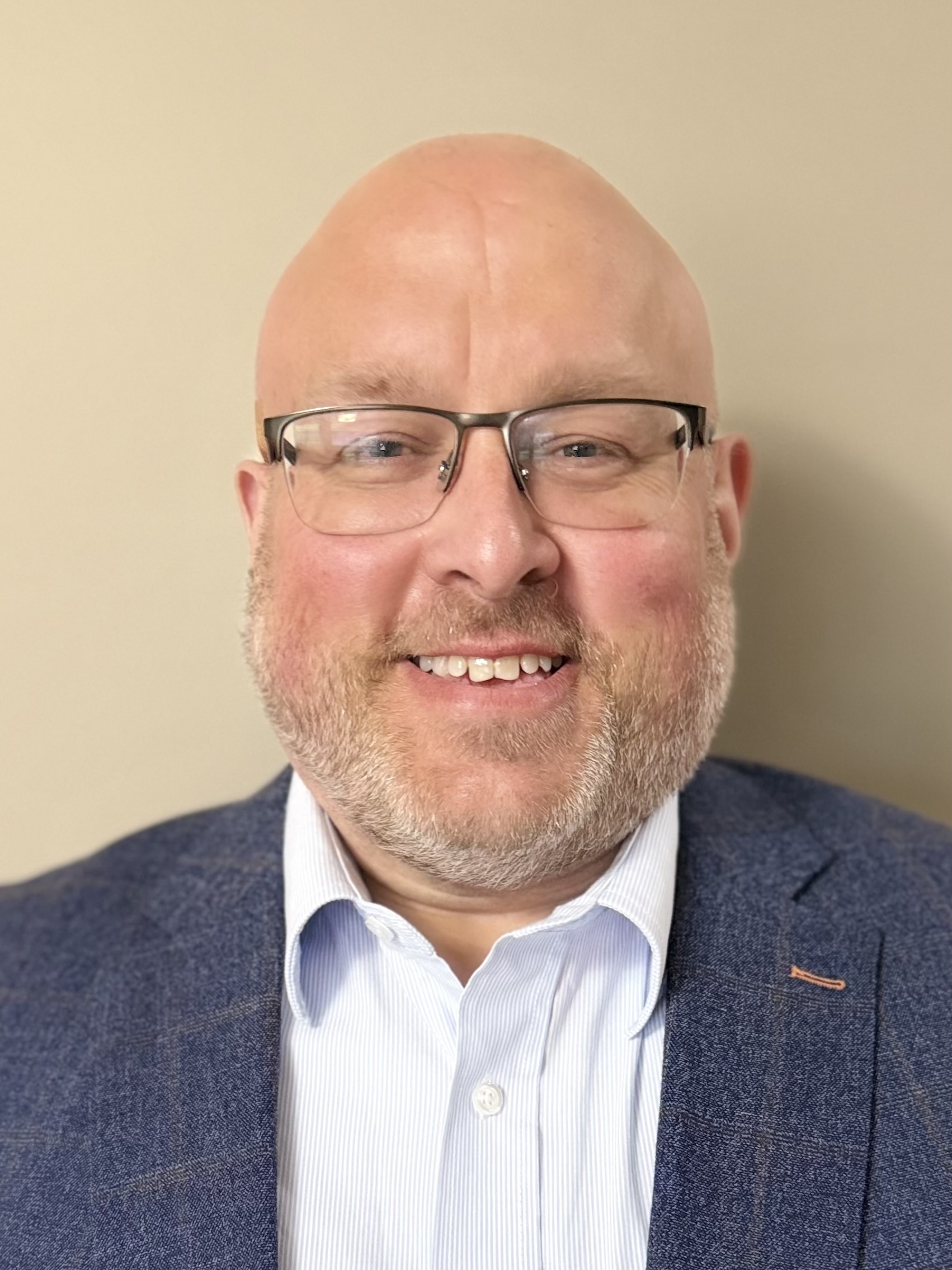
Ph.D. in Animal Science from the University of Arkansas. Former Department Chair at Cal Poly Pomona, where he advised thousands of pre-vet students over 13 years. Two-Time Advisor of the Year. Founder of PreVet Advisor.